Polio Eradication Initiative Program- Afghanistan
Emergency Operating Centre
سمنیتمستیمنس یستی مستی منستیمنتسی تسمنی تمنس یمنس تیمنتسمنیتس نمیسنتی
EoC Objectives:
The objective of the EOC is to provide effective oversight and coordinate polio eradication activities across all partners in Afghanistan. The EOC identifies priorities and effective interventions for appropriate planning, implementation and monitoring of polio eradication activities. The role of the EOC includes liaising with Polio Eradication Initiative (PEI) and Routine Immunization (RI) partners, as well as promoting effective operations and communication, advocacy and alliance-building across the partnerships.
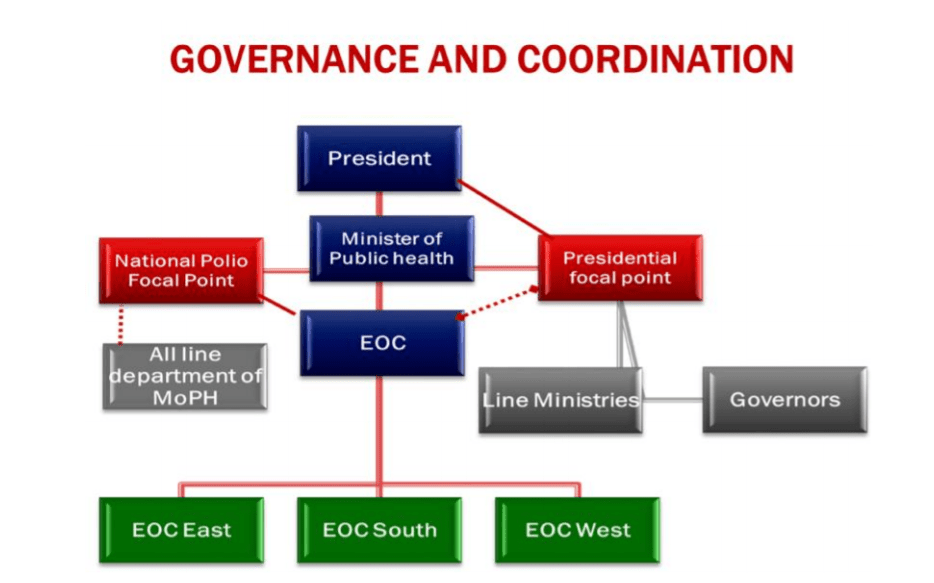
Composition of EoC and How it funcations
The EOC is led by the Ministry of Public Health and the core members are WHO, UNICEF, BMGF, CDC, Rotary International, Core Group of Polio Project (CGPP), EPI manager and the National Polio Focal Point.
The main strategic decision-making body at the EOC is known as the Strategy Working Group (SWG), which includes representatives from the government and core partners. WHO and UNICEF are the main implementing partners while BMGF, CDC and Rotary provide financial and technical support. CGPP supports coordination efforts with NGOs.
The National EOC is in Kabul whereas and the four regional EOCs are positioned in Kandahar, Nangarhar, Herat, Paktya provinces. There is only one provincial EOC based in Helmand province.
Core Global Polio Erdication Initiative for Partners:
- The core members of Global Polio Eradication Initiative (GPEI) are five.
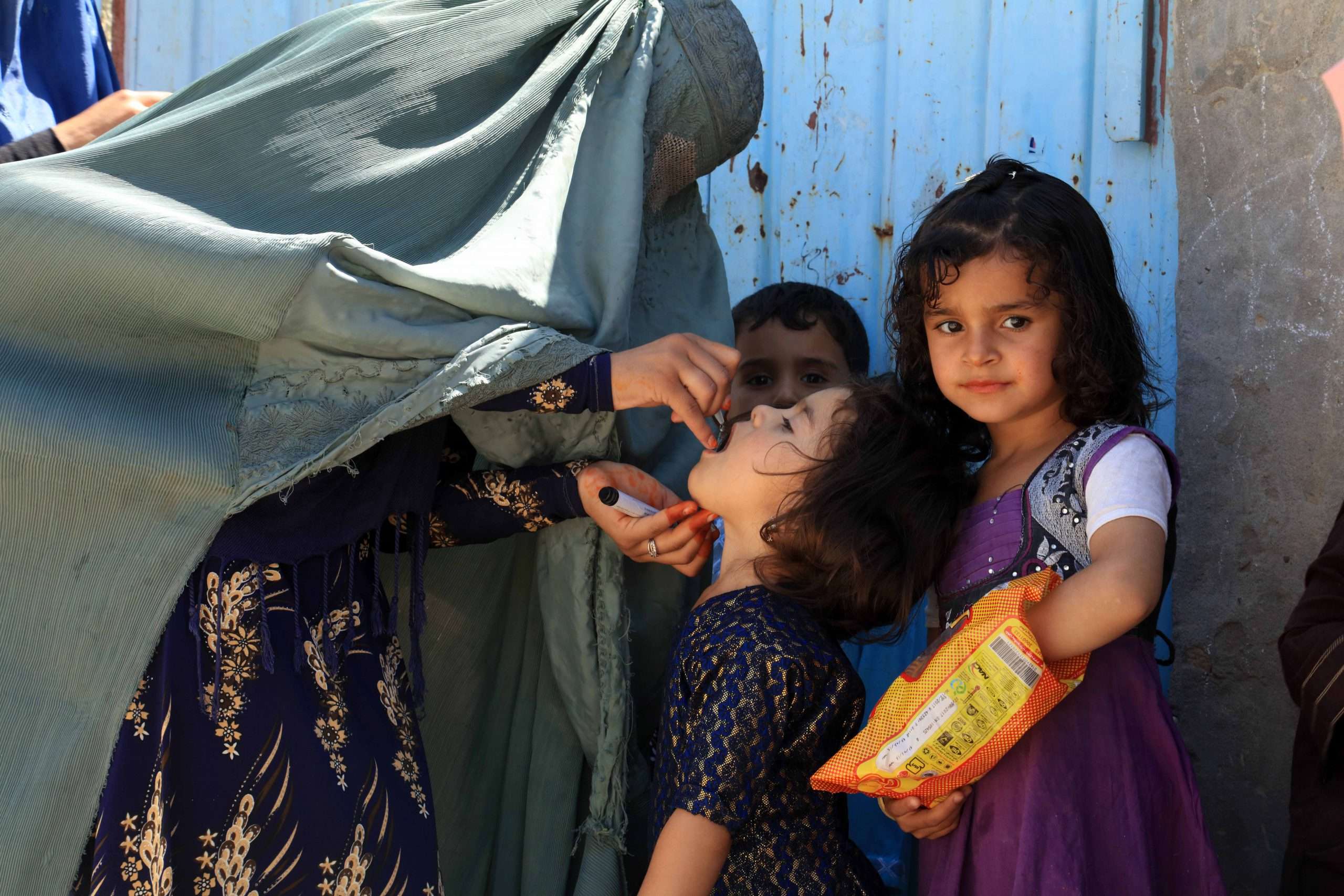
- WHO is the lead implementing Agency for Supplementary Immunization Activity (SIA) and surveillance activities
- UNICEF is the lead Agency for implementing communication and advocacy, communication for development and vaccines supply and management.
- BMGF is the core PEI donor partner for GPEI and supports EOC operations as well as the integrated health services and technical assistance.
- ROTARY international is the core PEI donor member of GPEI.
- CDC is core member of GPEI providing technical and capacity building support PEI as well as supporting research and surveys related to polio eradication and immunization.
Community Engagement Strategy
Community Engagement according to the Center of Disease Control CDC ‘’is the process of working collaboratively with and through groups of people affiliated by geographic proximity, special interest, or similar situations to address issues affecting the well-being of those people. It is a powerful vehicle for bringing about environmental and behavioral changes that will improve the health of the community and its members. It often involves partnerships and coalitions that help mobilize resources and influence systems, change relationships among partners, and serve as catalysts for changing policies, programs, and practices.’’
The focus of community engagement is to ensure every child is vaccinated every time vaccine is given in order to eradicate polio in the country. The overall polio programme communication strategy aims to maintain the number of missed children and refusals under 1%.
Key objectives:
- Increase positive knowledge of vaccine among caregivers and influencers
- Enhance vaccine and campaigns perceptions among refusal communities
- Build community trust and accelerate eradication efforts
Expected outputs of communication interventions:
- Reduction of vaccine refusals
- Increased demand for polio vaccine uptake in the accessible areas of Afghanistan
- Increased reach in inaccessible areas through relationship building
Key elements of the Community Engagement component:
The polio program communication strategy consists of evidence-based communication initiatives, utilizing media engagement, partnerships, advocacy, influencers and community engagement. The activities are designed and tailored according to the needs of each community. For example, the programme engages certain influential groups or personalities to address a specific need within a community. In this case, the programme implements activities according to the needs and necessities of each community through conducting required surveys and assessments.
- Immunization and Communication Network:
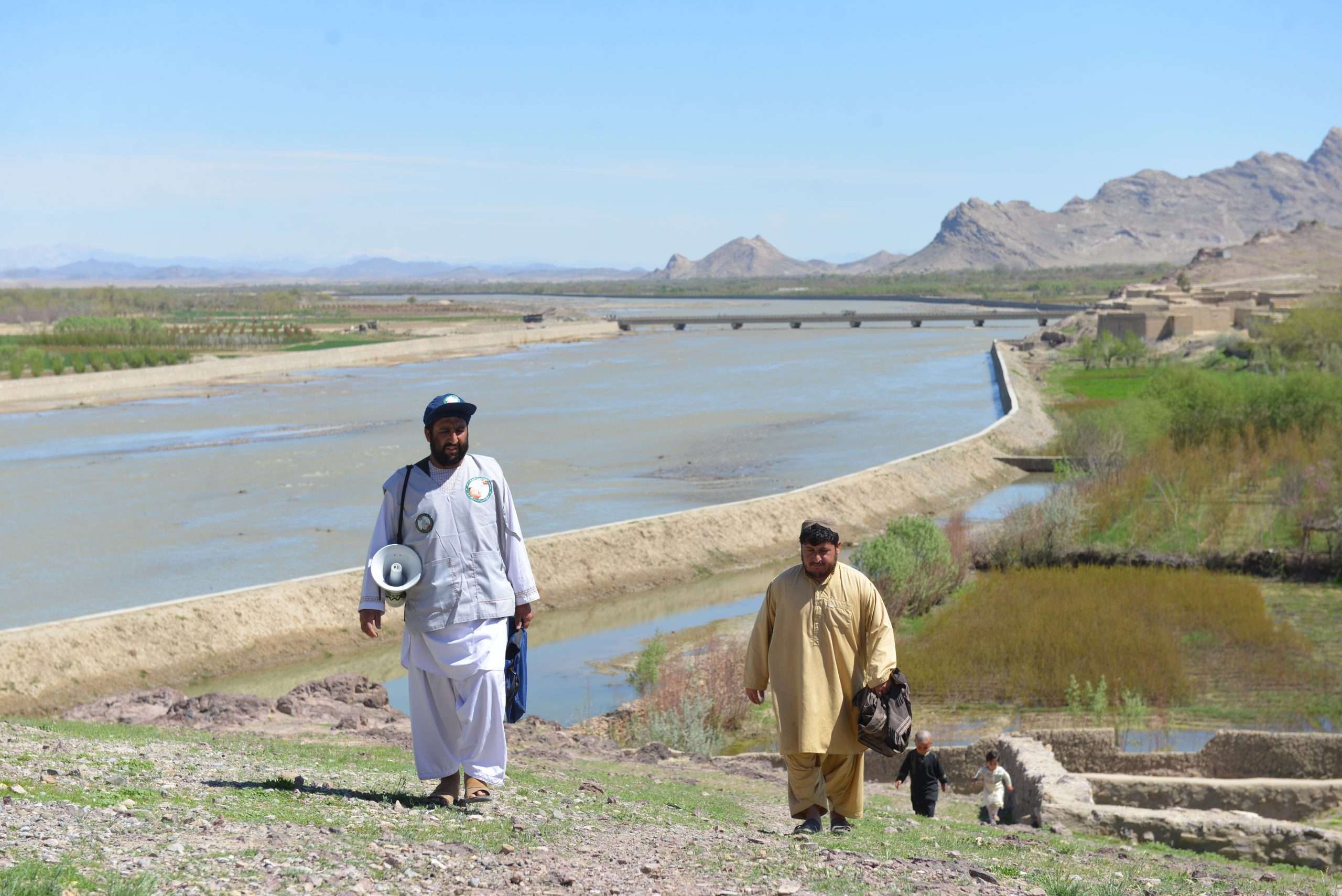
The Immunization and Communication Network (ICN) consists of 3612 social mobilization workers as of October 2020. They are responsible for conducting house to house visits ahead of the campaigns to ensure families are ready to vaccinate their children. The ICN is also responsible for engaging the community representatives, tracking defaulters, registering newborn for vaccination and referring mothers and children to the health facilities for health services including routine immunization.
- Health Facility-based education sessions and services:
At the health facility level, qualified midwives and nurses known as Female Mobilizer Vaccinators (FMVs) are deployed in South, East, south-east and West to provide health promotion activities for women as well as provide support to the EPI team in vaccinations.
- Local Authorities Engagement:
The program works with local area representatives such as Wikili Guzar, Maliks and village elders to strengthen the local authorities’ involvement in addressing vaccine refusal. The polio program conducts regular planning meetings with the mentioned local authorities for action in their communities.
- Influencers Engagement:
The program engages the religious and social influencers through special meetings, Madrasa support, dissemination of the Fatwa books supporting vaccine and mobilizing the pro-polio leaders to encourage their communities for vaccine.
- Community Outreach for Messages Dissemination:
This includes community led campaign inaugurations, elderly women discussion groups, engagement the polio survivors in community events and public speaking, hold polio messages drawing competitions at schools, use of loudspeakers for campaign announcement, cars parade and other activities.
- Medical Professionals and Operators Engagement:
Health workers in areas with refusal areas are trained on health interpersonal communication skills, which also incorporates polio messages. Vaccine oriented seminars are organized at key medical faculties, nursing and midwifery schools partnering with polio programme to engage teachers and students.
- Dissemination of promotional items:
The programme through ICN distributes polio branded promotional items such as baby-blankets, soap bars and hygiene-kits to the communities, with the aim to build trust and promote vaccine acceptance.
Communications and Advocacy Approach
Strategic communication plan remains a key pillar for the polio eradication in Afghanistan. It involves creating awareness, improving community’s knowledge on vaccine importance and changing people’s perceptions towards polio vaccine. Nevertheless, successful implementation, requires a deep understanding of the community issues and the environment in which the polio programme operates. The communication action plan uses standard strategic communication framework to achieve polio eradication results.
- Localize for effectiveness – regional communication plans are developed and tailored to address the local needs for each region factoring culture and language dialects.
- Strategize for impact– communication activities are prioritized to address programme challenges including refusals, high risk mobile population and propaganda/rumors.
- Data usefulness – data emerging from field surveys is utilized to drive communication strategic implementation and effectiveness.
- Messaging: consistent messaging is critical for communication Key messages are reviewed and updated for community engagement other communication activities.
- Coordination: coordinate and integrate efforts between communication teams at the national and regional level and between polio and complementary programs (referrals to health, routine immunization, etc.)
- Partnerships – broaden influencers and partnerships to include religious leaders, convergence and linkages with HFs, health shuras and Wakil-i-Guzar and others
Key elements of the Community Engagement component: The polio program communication strategy consists of evidence-based communication initiatives, utilizing media engagement, partnerships, advocacy, influencers and community engagement. The activities are designed and tailored according to the needs of each community. For example, the programme engages certain influential groups or personalities to address a specific need within a community. In this case, the programme implements activities according to the needs and necessities of each community through conducting required surveys and assessments. The Immunization and Communication Network (ICN) consists of 3612 social mobilization workers as of October 2020. They are responsible for conducting house to house visits ahead of the campaigns to ensure families are ready to vaccinate their children. The ICN is also responsible for engaging the community representatives, tracking defaulters, registering newborn for vaccination and referring mothers and children to the health facilities for health services including routine immunization. At the health facility level, qualified midwives and nurses known as Female Mobilizer Vaccinators (FMVs) are deployed in South, East, south-east and West to provide health promotion activities for women as well as provide support to the EPI team in vaccinations. The program works with local area representatives such as Wikili Guzar, Maliks and village elders to strengthen the local authorities’ involvement in addressing vaccine refusal. The polio program conducts regular planning meetings with the mentioned local authorities for action in their communities. The program engages the religious and social influencers through special meetings, Madrasa support, dissemination of the Fatwa books supporting vaccine and mobilizing the pro-polio leaders to encourage their communities for vaccine. This includes community led campaign inaugurations, elderly women discussion groups, engagement the polio survivors in community events and public speaking, hold polio messages drawing competitions at schools, use of loudspeakers for campaign announcement, cars parade and other activities. Health workers in areas with refusal areas are trained on health interpersonal communication skills, which also incorporates polio messages. Vaccine oriented seminars are organized at key medical faculties, nursing and midwifery schools partnering with polio programme to engage teachers and students. The programme through ICN distributes polio branded promotional items such as baby-blankets, soap bars and hygiene-kits to the communities, with the aim to build trust and promote vaccine acceptance.