• پښتو
  • دری
Polio Free Afghanistan
  • Menu Canvas
    • English
      • پښتو
      • دری
    • Home
      • About Polio Vaccine
      • Global Polio Situation
      • History of Polio
    • Polio Afghanistan
      • Program Structure
      • Polio Eradication Strategy
      • Communication
      • Surveillance
      • Case Studies on East
    • Resources
      • Key Publications
      • Guidelines and SOPs
      • Faqs
    • Polio Updates
      • Monthly Snapshot
    • Media
      • Gallery
      • Video Gallery
      • Press Releases
    • Contact
  • پښتو
  • دری
Polio Free Afghanistan
  • About Polio
    • Polio Vaccine
    • History of Polio
    • Global Polio Situation
  • Polio Afghanistan
    • Program Structure
    • Polio Eradication Strategy
    • Communication
    • Surveillance
    • Case Studies
  • Resources
    • Guidelines and SOPs
    • Key Publications
    • FAQs
  • Polio Update
    • Field Stories
    • Polio Cases
    • Monthly Snapshot
    • Key Publications
  • Media
    • Press Releases
    • Photo Gallery
    • Video Gallery
  • CALL CENTER
  • Contact Us

Case Studies on East
PolioFreeAfghanistan
October 13, 2020
General Information

Lessons Learnt Polio Afghanistan East Region Jul 2020

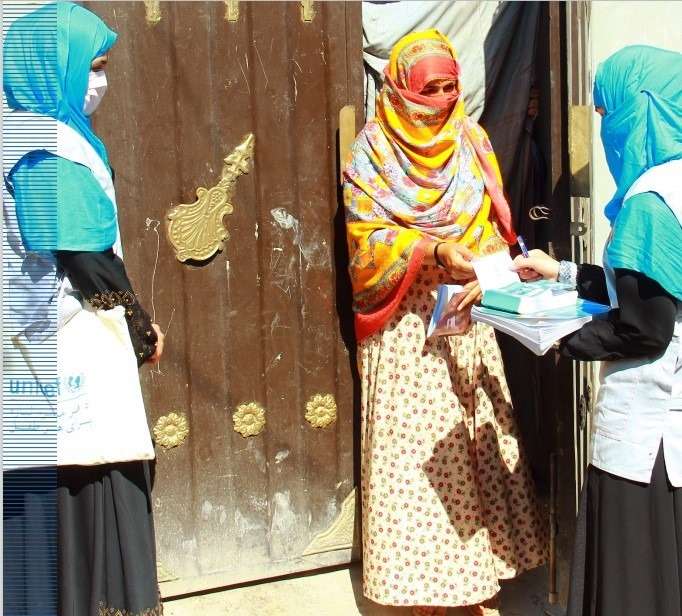
Afghanistan’s Eastern Region comprises of Nangarhar, Kunar, Laghman and Nuristan Provinces. Jalalabad, the capital of the Nangahar Province, lies on the border with Pakistan. Known as the Torkhum border, hundreds of people travel back and forth between the two countries daily. This population movement, together with a large polio outbreak at the border, poses a high risk of the virus circulating in the Eastern Region. Vaccine refusal is minimal, at 1%, while access to Talibanand ISIS-influenced areas are dealt with through direct face-to-face negotiations, and this fluctuates from one campaign to another. In 2019, two polio cases were reported in the region. In 2020, a cVDPV2 outbreak was recorded, mainly in Jalalabad. The total number of cases as of June 2020 were: 2 cases of WPV1 and 17 cVDPV2 cases. The Immunization Communication Network (ICN) is the community engagement arm which addresses polio vaccine acceptance amongst caregivers. The primary role of ICN is to create and increase demand for polio and immunisation services, update children’s information during campaigns, track absent and missed children, and facilitate mother and child health referral services through the health facilities. ICN in the Eastern Region includes 1,710 social mobilisers (SM) that are based in the community as well as at the health facilities (as of June 2020). Workers are deployed based on communication risk and population movement criteria. Through this structure, ICN plays a vital role in promoting routine immunisation by providing supportive supervision at health facilities, mobile and outreach sessions in the community and by sharing reports with the Expanded Programme on Immunization (EPI).

Tags: polio poliofree Virus
Previous Story
Amid COVID-19 Crisis, Polio Workers Aid Communities in Crisis
Next Story
Monthly Snapshot as of August 2020

Related Articles

Haji’s Joy after realizing the importance of vaccination

52-year-old Haji Karam Khan proudly displays his daughter’s little marked...

Fozia’s Efforts to Improve the Health of Women and Children in Afghanistan

HELMAND, Afghanistan 18 July 2022 – 25-year-old Fozia is a...

Copyright ©2020 Polio Free Afghanistan. All Rights Reserved
  • Private Policies
  • Terms & Conditions
SearchPostsLogin
Thursday, 30, Apr
Bridges of hope on rugged roads: the fight against polio in Pachiragam
Saturday, 25, Apr
A twelve-year journey of saving lives: the story of Faizullah Faizi’s efforts
Wednesday, 15, Apr
The fight against polio in the valleys of Dawlat Shah; Hamid’s 13-year struggle
Sunday, 12, Apr
The first national polio vaccination campaign of the year begins
Friday, 10, Apr
Polio prevention in Panjshir: the continued efforts of Sonam and her colleagues
Monday, 30, Mar
Visible change against an invisible threat

Welcome back,