From concern to trust: Zarina Ahmadi’s fight against polio

Panjshir, Afghanistan – The alleyways of Malsapa village in Bazarak district echo with the sounds of children at play and the rhythms of daily life. Yet amid this familiar scene, quiet efforts are underway; initiatives aimed not only at protecting children today but also safeguarding their future.
Zarina Ahmadi, an Afghan woman, has spent years engaging directly with parents in these villages, with the goal of not only administering vaccines but also building trust and raising awareness.
Zarina has been working with polio vaccination campaigns since 2014. She began her journey as an ordinary volunteer at a time when awareness of the dangers of polio and the importance of vaccination was limited within the community.
“It was not easy at the beginning,” she says. “Some families were concerned, and others did not understand why the polio vaccine was important. I was hesitant too, but I knew that if we did not make the effort, these concerns would remain.”
Zarina decided to adopt a path of dialogue, patience, and respect. She strove to reach each mother, listen to their concerns, and answer every question in clear, simple language.
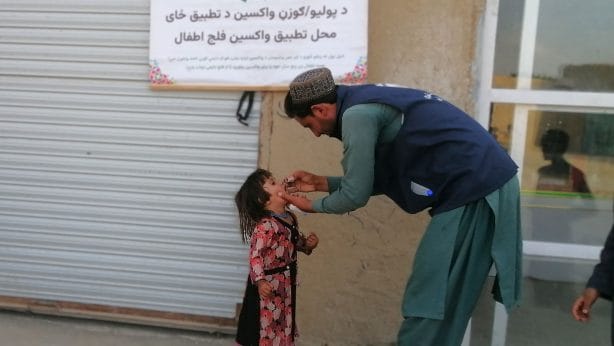
 Zarina Ahmadi administers the polio vaccine to a child © Polio Free Afghanistan / 2025
She provided information to parents about the dangers of polio, explaining that just two drops of the vaccine could protect their children’s future from paralysis.
Over time, people’s attitudes changed. Families who once kept their doors closed are now eagerly awaiting Zarina’s visits. “When people feel that you listen to them and respond to their concerns with respect, trust is built, and families themselves choose to vaccinate their children in every campaign,” she says.
Zarina believes that female volunteers play a uniquely valuable role in polio prevention efforts. “Mothers find it easier to talk with female volunteers. They share their concerns, and once convinced, they not only vaccinate their own children but also encourage others to do the same.”
According to her, it is this very connection that turns doubt into trust.
A local health worker, Mohammad Sharif, says that female volunteers like Zarina strengthen the atmosphere of trust among families. “When the message comes from within the community, people accept it more readily. Female volunteers create a connection inside homes that would otherwise be impossible,” he says. According to him, this kind of trust is the most important tool in the fight against polio.
Another young social activist, Mohammad Dawood, also emphasizes that the role of female volunteers goes beyond administering vaccines: “Female volunteers educate mothers and reinforce the understanding that a child’s health is not just a concern for today, but a responsibility for the future.”
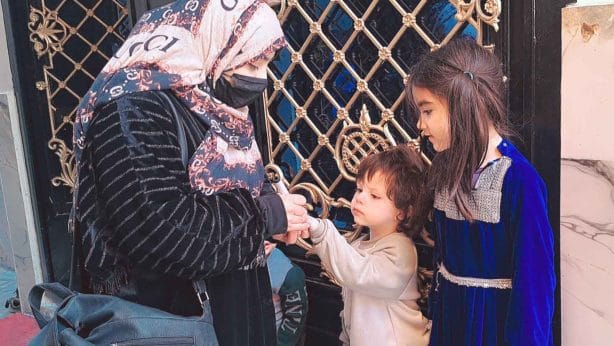
 Zarina Ahmadi marks a child’s finger after vaccination © Polio Free Afghanistan / 2025
Zarina has centered her efforts on raising this awareness. She has a clear message for parents: “The vaccine is just a few drops, but its value is immense. These drops can protect your child from lifelong disability.”
She emphasizes that children’s health must be a priority for every family, because healthy children form the foundation of a healthy society.
According to Zarina, preventing polio is not solely the responsibility of health teams: “When families cooperate, trust, and are aware, every campaign succeeds.”
That is why she does not see herself merely as a vaccinator, but as part of the effort to build awareness and trust.
Today, the children of Malsapa village call out Zarina’s name and greet her with excitement during vaccination campaigns. Families know her well and respect her work. This change did not happen overnight; it is the result of years of persistent effort, patience, and dedication.
Zarina Ahmadi is one of the thousands of female volunteers who can create a significant impact through simple steps.
Her story shows that when trust is built, doubts diminish, awareness increases, and people take concrete steps to protect their children.
It is this trust and shared responsibility that paves the way for success against polio and keeps alive the hope of a healthy and bright future for Afghan children.