The Bridge of Trust: A Dedicated Advocate’s Efforts to Protect Children
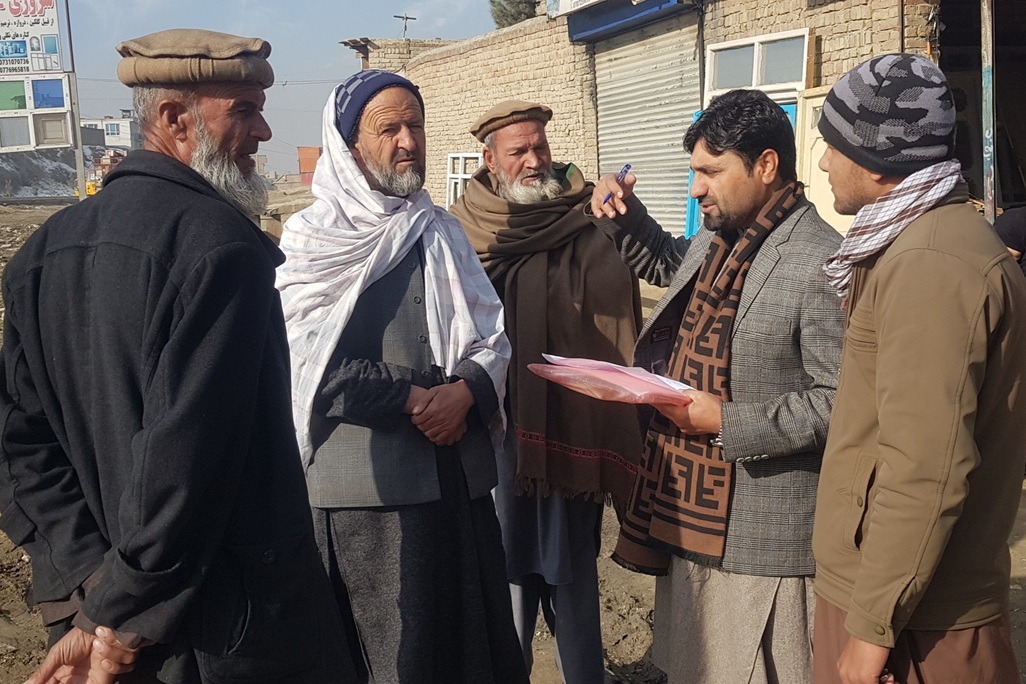
Kabul, Afghanistan – With a notebook and awareness leaflets in his hands, Samsor Rahimi walks through the bustling streets of Qalā-e-Zaman Khan in Kabul each day, speaking directly with people.
With a smile on his lips and respect in his manner, his priority is to earn people’s trust.
Rahimi is a dedicated polio campaign social mobilizer who, amid doubt and suspicion, first listens to people’s concerns and then responds with clear answers, explaining the dangers of polio and the safety of the vaccine in simple, respectful language.
With the support of religious scholars and community elders, he dispels the clouds of doubt and increases families’ awareness.
Childhood and Motivation
Rahimi grew up in a part of Nangarhar province where there were few basic facilities.
He recalls scenes from his childhood when several of his peers were kept from the playgrounds by polio and forced to live with permanent paralysis. Those experiences, he says, shaped the course of his life.
“In my childhood, I saw many of my peers paralyzed by polio. At that time, we did not understand how dangerous this disease was, nor how valuable the drops of vaccine could be,” Rahimi says.
In his view, responsibility for every child’s health begins at home and in the village. This belief has always driven him to find new ways of raising awareness among people.
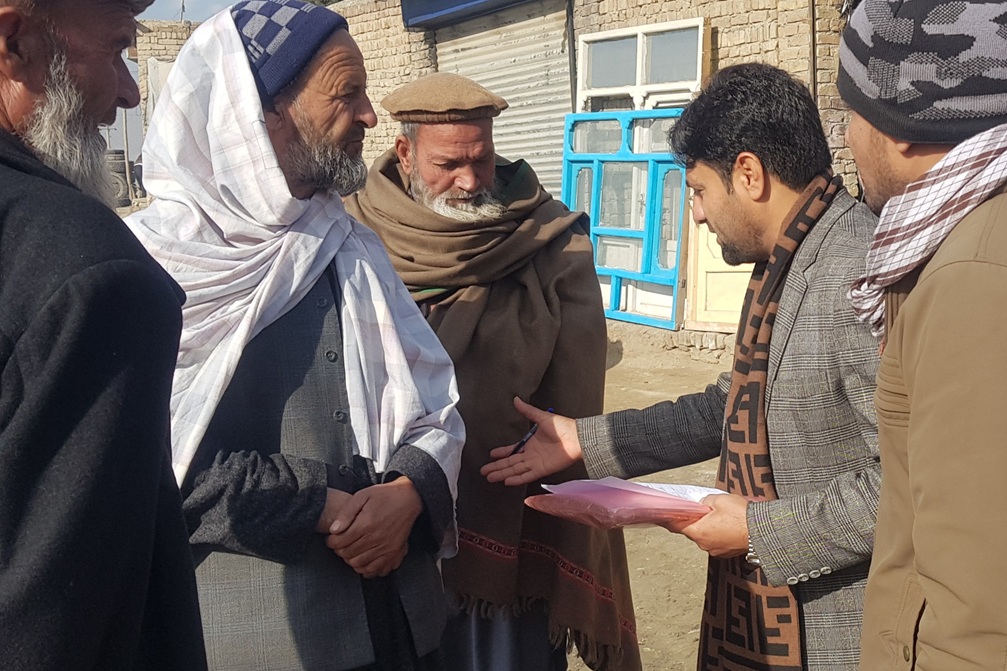 Rahimi, a dedicated social mobilizer for polio vaccination campaigns, raises awareness about the dangers of polio and the safety of the vaccine through simple, respectful language © Polio Free Afghanistan / 2025
From Fear to Trust – The Power of Collective Voices
Recently, in the course of his work, Rahimi visited a neighbourhood of Qalā-e-Zaman Khan where doubt and suspicion had cast a shadow over the reality of vaccination. Some called the vaccine a “foreign conspiracy,” while others believed it could harm children’s health.
Rahimi had already established contact with the religious scholars, tribal leaders, and youth of the area, and on this day the village elder, Haji Janan, chaired the gathering.
“I am the father of a child who was paralyzed by polio. This painful experience taught me how valuable vaccination is. Let us all take our children’s health seriously, for in truth these vaccines safeguard their future,” he stated openly.
Afterward, the mosque imam, Mawlawi Habib, said: “Islam has made the protection of ourselves and our children obligatory. The polio vaccine is neither forbidden nor doubtful. In our faith, prevention and precaution before treatment carry special importance.”
As a result of these united and clear voices, the shadows of doubt and suspicion in the area began to fade.
A mother, who had been influenced by misinformation, said: “I used to think the polio vaccine was harmful, but now I realize it is a blessing, a means by which we can protect the health of our beloved children.”
Rahimi continues these efforts with full dedication, and for this he has been repeatedly recognized by the Ministry of Public Health and other partner organizations.
But for him, the greatest reward is seeing a mother or father, as a result of his efforts, eagerly step forward to have their children vaccinated.
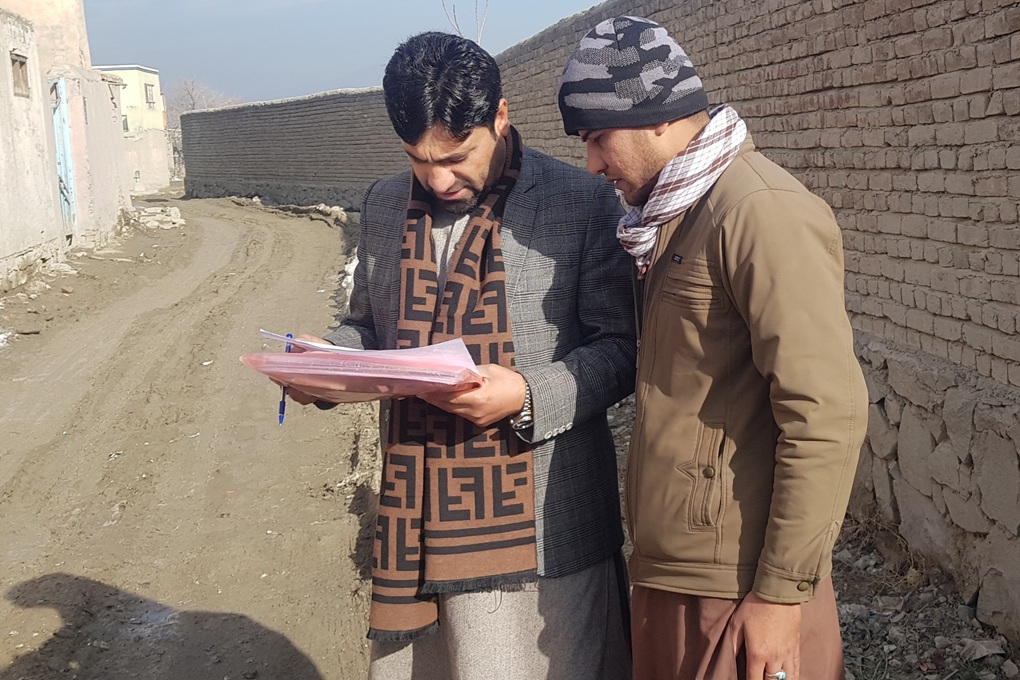 Rahimi during his work © Polio Free Afghanistan / 2025
Hope for Tomorrow – “Just two drops can change the future”
Rahimi believes that preventing polio is not only the work of health teams but a shared responsibility of the whole community: “If we all — especially mothers and fathers — do not fall under the influence of misinformation and vaccinate our children regularly, the day is not far when Afghanistan will be a polio-free country.”
Call to Action
Rahimi’s efforts show that trust is built through listening, reason, and respect. Everyone can be part of this change — mothers, fathers, imams, teachers, tribal leaders, and youth. A small decision at the family level can become a big step for the entire community.
At the end of the day, when Samsor looks at his notebook, the children’s joy and laughter fill his mind, and all his fatigue disappears.
This is the meaning of his work: enlightening people’s minds and safeguarding the future of children.