Beneath the Shadow of Paralysis, a Light of Hope
How Did a Young Man Become a Leader in the Fight Against Polio Despite His Disability?
Ghazni, Afghanistan – The morning sun had yet to rise over the hills of Ghazni province’s Andar District when Qudratullah, using only his left hand, readied himself and set out on a new mission.
This 21-year-old young man, whose right arm has been paralyzed by polio, now raises his voice for the thousands of children still at risk from this life-threatening disease. His life stands as a testament to struggle, belief, and unwavering commitment.
I did not surrender
Qudratullah was just three years old when he was taken to the hospital with a high fever, severe pain, and sudden weakness. There, doctors confirmed he had contracted polio, and his right arm was permanently paralyzed.
“It wasn’t just my arm that was paralyzed… My childhood was stolen from me. My laughter silenced, my mother’s smile erased, and every hope I had for the future drowned in the shadows of pain.”
But Qudratullah was not one of those children who remained silent under the weight of pain. He turned his wound into strength and received from his family—especially his mother—not just love, but an unshakable belief. A belief that told him: “I am not alone. I matter. I am still capable.”
Hope in the Left Hand
Qudratullah was a student who always opened his books with the strength of his left hand, learned to write with it, and continued his studies despite the teasing of his classmates.
“I learned that there will always be limitations. But if the left hand remains and the heart still beats with purpose, nothing can stop a person.”
From the beginning to the end of his school years, he faced many ups and downs. But one sentence always echoed in his mind: “I am not a child that polio can silence.”
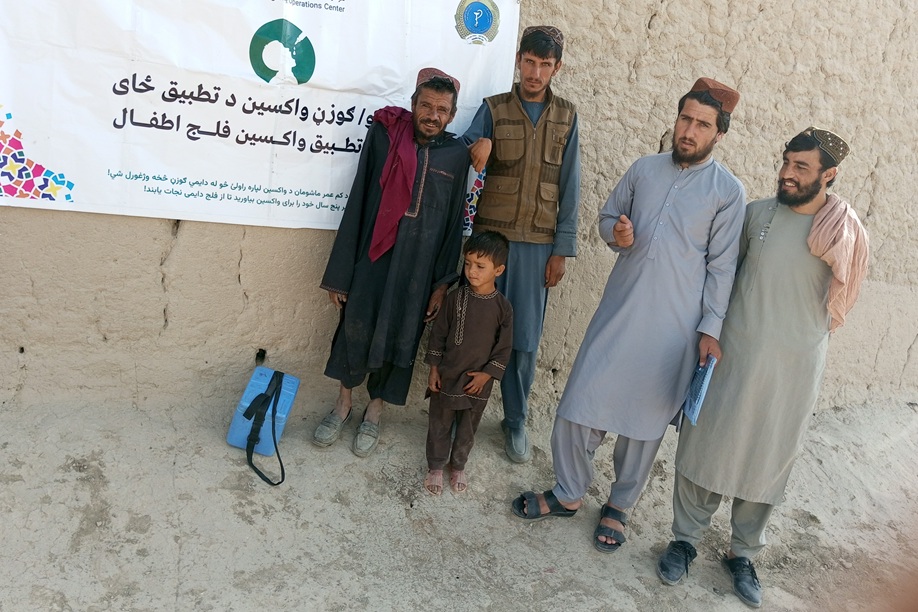 Polio victim Qudratullah during a polio vaccination campaign © Polio Free Afghanistan / 2025
From Silence to Voice
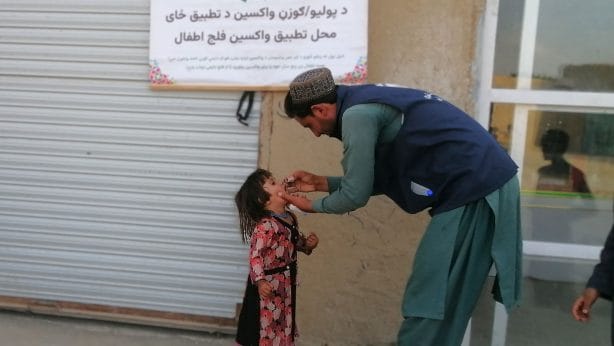
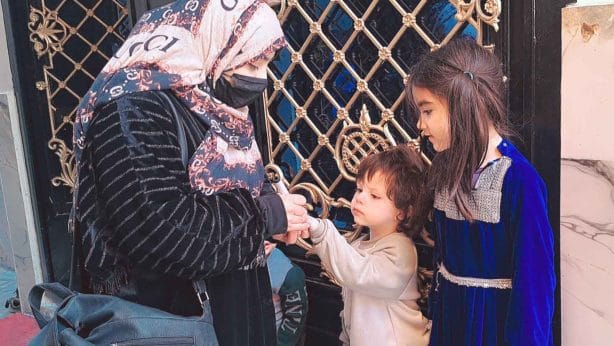
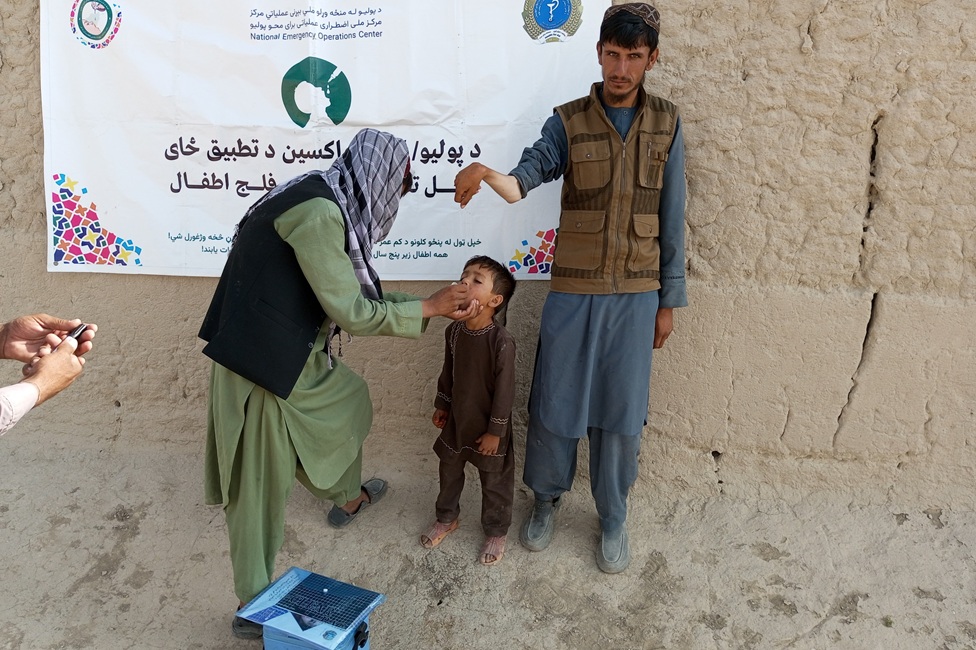
When the polio vaccination campaign reached his village, Qudratullah saw it as an opportunity, not for himself, but for the protection of other children.
He joined a polio vaccination campaign team as a volunteer. He went from house to house, knocked on doors, broke down walls of doubt, and looked parents in the eye with one powerful question: “Do you want your child to suffer the same fate as me?”
Returning to Life Through Sports
Although his paralyzed arm limited his ability to play, Qudratullah never gave up his bond with cricket and football. He says sports help restore his self-confidence.
“When I play sports, I forget about my paralyzed arm. I simply become a person — a strong person.”
A Family, A Message
Qudratullah’s older brother, Abdul Basir, takes great pride in his brother’s struggle. “My brother is not only a source of pride for our family,” he says, “but also our awakened conscience. We all have a responsibility to learn from our pain.”
The village’s religious scholar, Mawlawi Ashraf, says: “Qudratullah is not just physically strong, but also spiritually resilient. His story is a new definition of hope and belief for our community.”
A Health Expert’s Voice
Dr. Khanzada Ehsas, a member of the Andar District Hospital, firmly emphasizes: “Vaccination is the only line of defense against polio. Qudratullah is living proof of what can happen if that defense is lost.”
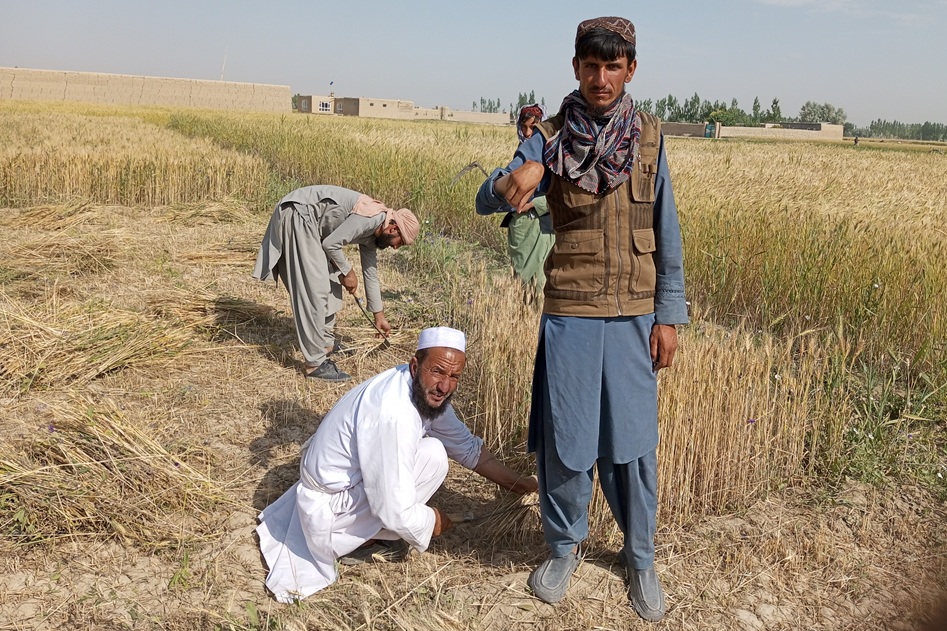 Qudratullah among villagers © Polio Free Afghanistan / 2025
The Voice of the Community
Qudratullah shares his message in simple yet powerful words: “I am living proof of the devastating effects of polio. I don’t want other children to end up like me. If we don’t vaccinate our children, we will lose their future.”
Conclusion: An Individual, A Change
Qudratullah’s story is not just the story of one individual. It represents the thousands of children who live each day under the threat of the poliovirus.
He shows us that polio is not just a disease — it can destroy a child’s future, turn a family’s joy into sorrow, and drain life and movement from an entire community.
But this reality also opens another door: “Vaccination is not a choice; it is a responsibility. We have the power to change the future, but that is only possible if we act today.”
Qudratullah speaks not from pain, but from responsibility: “I want my story to be the last, not the first.”
We must ensure that this virus never again robs any child of their right to life and a better future. Ending polio is not just a health mission — it is a human responsibility, one that leads us toward a brighter and healthier Afghanistan.