Inauguration of the polio lab; An important step for the success of the polio eradication program
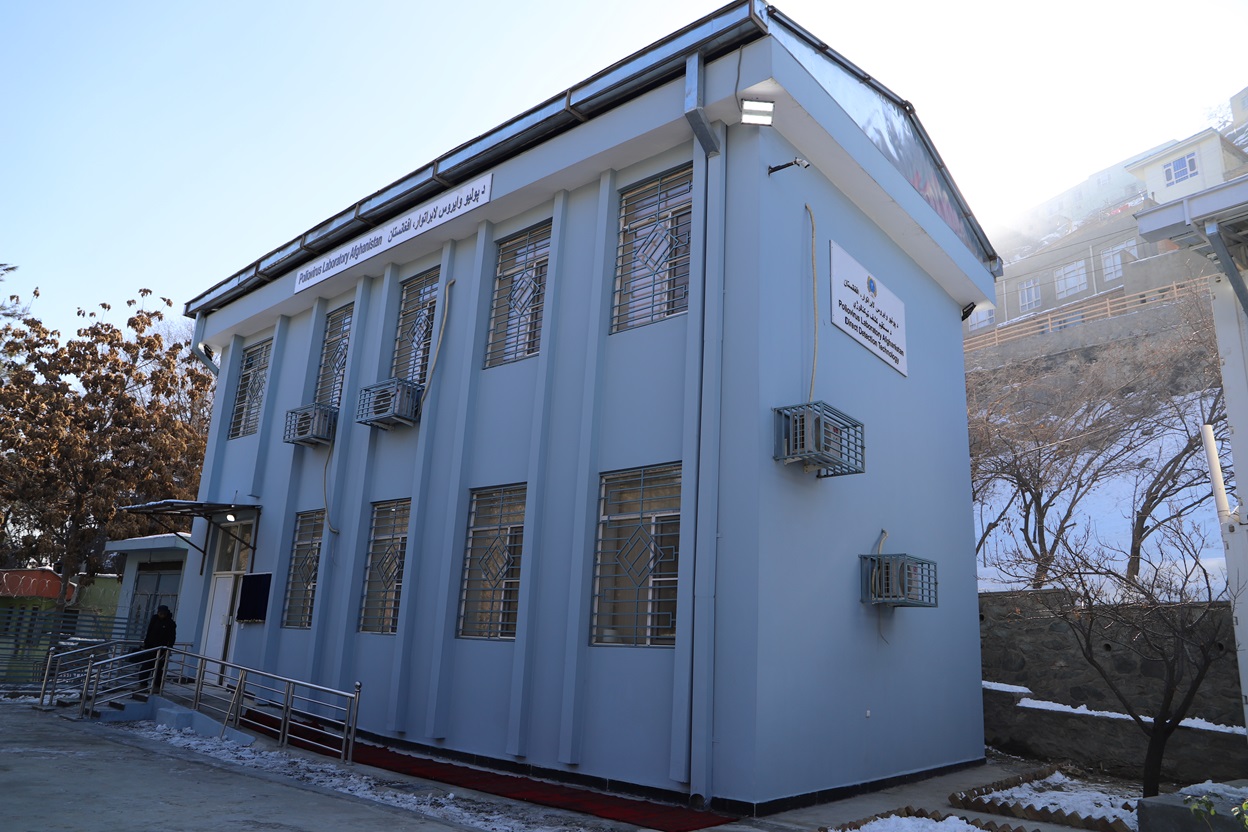
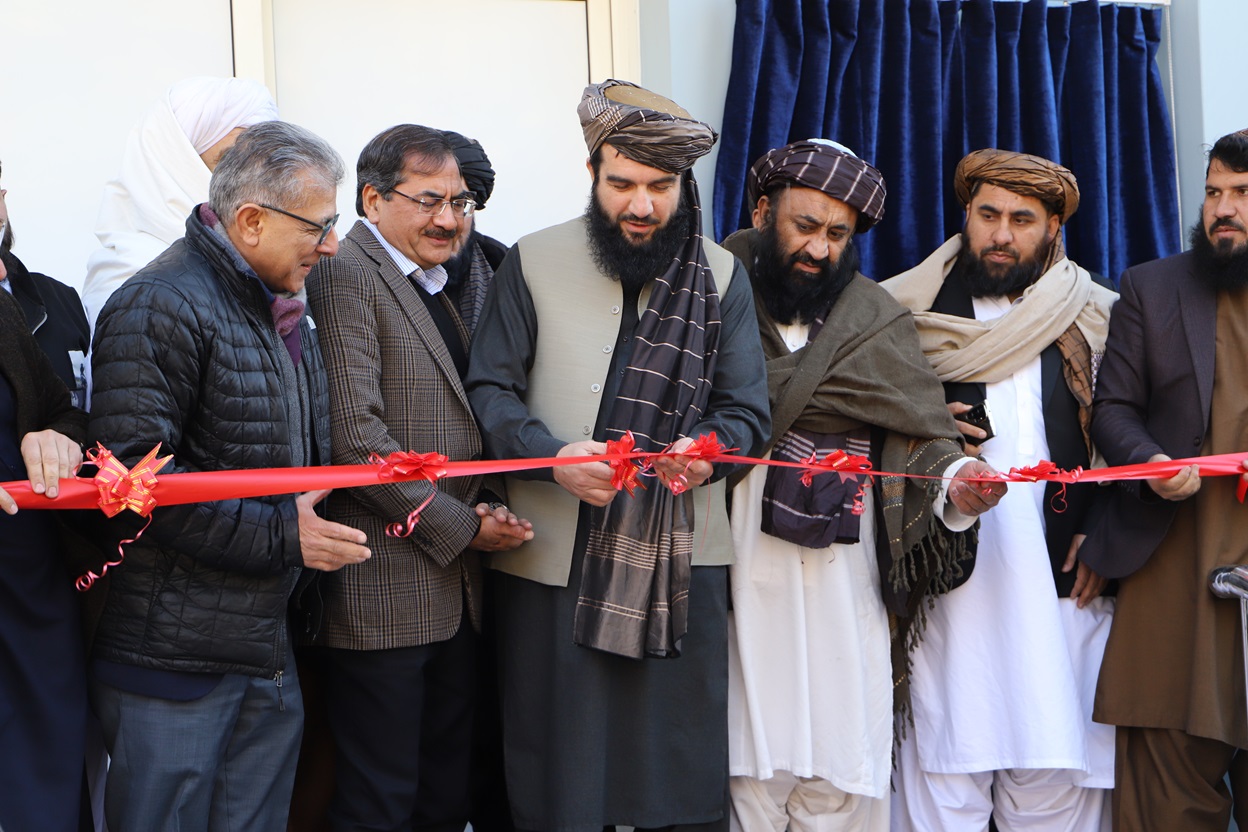
Kabul, Afghanistan – The country’s first polio detection laboratory was established.
This laboratory was built with the financial support of the World Health Organization/WHO and the Global Polio Laboratories Network/GPLAN in the capital Kabul in the building of the Ministry of Public Health’s Central Laboratories.
In this regard, at the ceremony, the Acting Minister of Public Health Dr. Qaladar Ibaad, the deputy minister for Admin and Finance of MoPH, Mawlawi Es-Haq Sahibzada, the Director of National EOC, Dr. Abdul Qadus Baryalai, the Director of Polio Eradication for the WHO Eastern Mediterranean Region, Dr. Hamid Jafari, representatives of BMGF, WHO and the officials from MoPH participated.
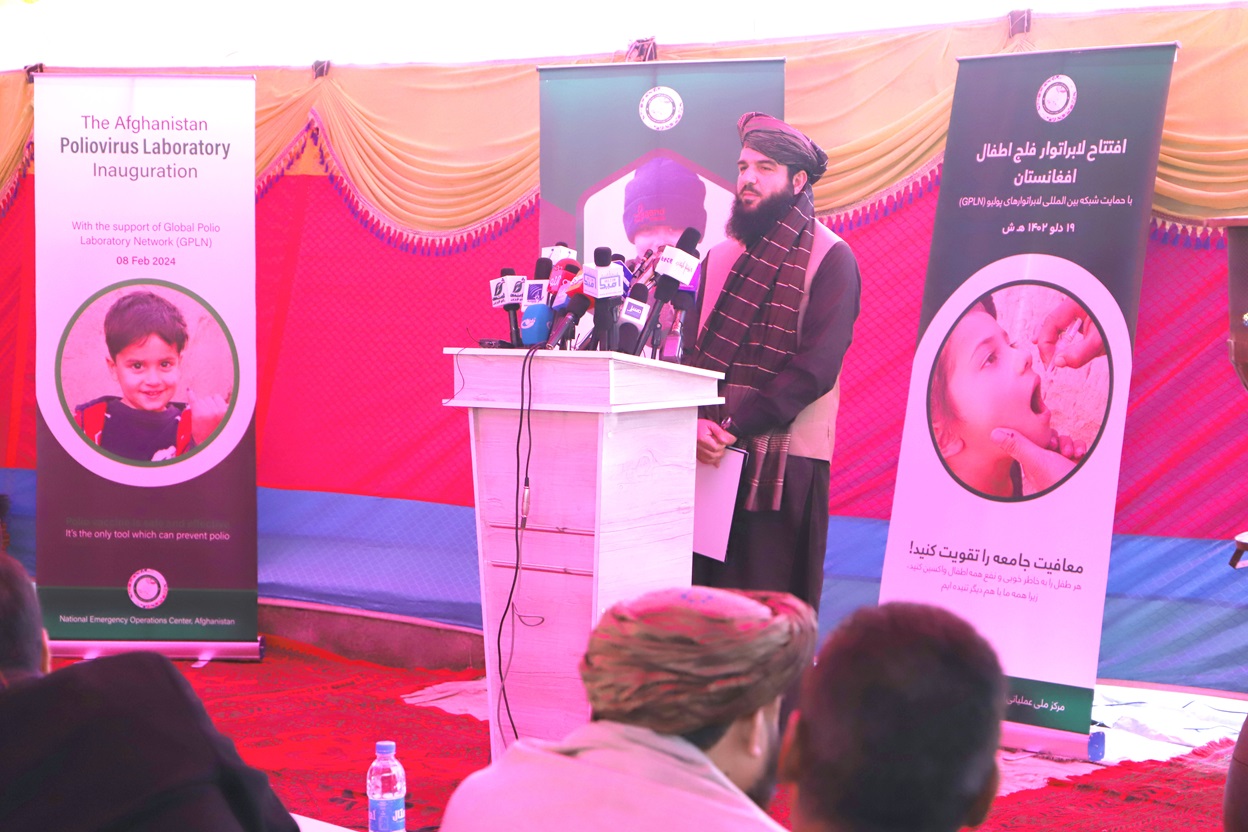
Dr. Ahmad Nasir Hanafi, Director of Polio Detection Laboratory at the Ministry of Public Health, stated that he was happy that after several years of efforts, the first polio laboratory was established.
He considered the establishment of the laboratory an important step for the success of the polio eradication program. He told that in the past, polio samples were sent to Pakistan for testing, but with the inauguration of this laboratory the test are going to be done inside Afghanistan.
The Minister of Public Health, Dr. Qalandar Ibaad, called the opening of the polio laboratory a significant milestone and said, “This is the first time that a polio laboratory has been opened in Afghanistan. It plays an important role in the early and accurate detection of polio disease. With this, we can make better decisions and improve the polio program.”
He mentioned that over the past two years, there has been a significant reduction in both human and environmental cases of polio at the national level.
He added: “In the year 2022, there were 2 cases of polio in the country, but in the year 2023, 6 cases of polio were recorded, the reason for the increase in this year might have been the large number of people traveling on the Durand Line and the return of refugees.”
But he emphasized that the Ministry of Public Health works together with the international partners to fully eradicate polio from the country.
Dr. Hamid Jafari, Director of Polio Eradication for the World Health Organization’s Eastern Mediterranean Region, expressed that Afghanistan and Pakistan remain the only two countries in the world where polio has not been eradicated, however, both nations have made significant efforts to eradicate the disease.
He added, “It is very vital that both countries cooperate with each other because the complete eradication of polio is beyond the capacity of one country. The establishment of the laboratory can help strengthen the relations between both countries in the fight against polio.”
He assured that efforts are being made to enhance the capabilities of the laboratory personnel, aiming to standardize the laboratory to higher level.
He denoted that around 3 to 3.5 million children in Afghanistan were unable to receive vaccinations due to conflicts in recent years. But, with improved security, this issue has been resolved.
Mr. Jafari urged families to ensure that their children under the age of five receive polio vaccine in every polio vaccination campaign.