Polio-Affected Girl: Nasima’s Tough Life and Her Family’s Endurance
Rahmatullah Marjankhel
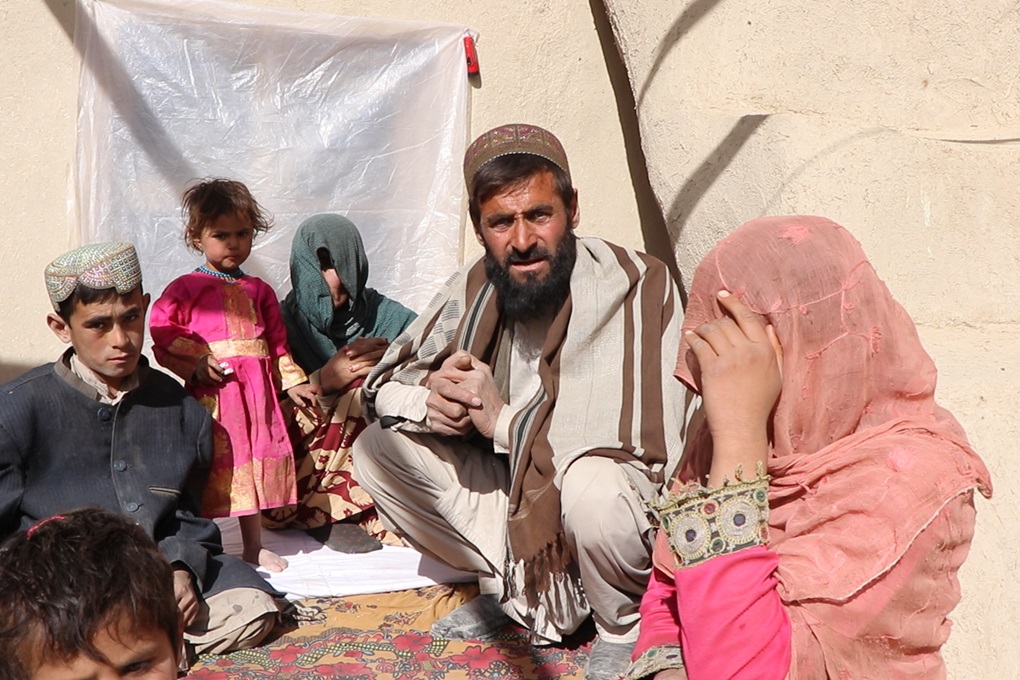
Ghazni, Afghanistan – Abdul Qader, a 42-year-old resident of Joi Char village in Andar district, Ghazni province, is deeply anxious about his difficult life.
He is the father of nine children—four sons and five daughters. Among them, his third daughter, Nasima, contracted polio in her childhood. This illness has not only made Nasima’s life difficult, but it has also cast hardships upon her family.
Abdul Qader recalls the time when Nasima, still a young child, suddenly fell ill: “It was night. My daughter first developed a high fever, followed by a cough and diarrhea. We spent the entire night in worry. The next day, we took her to the doctor, who, after some delay, advised us to take her to the hospital. Once there, the doctors informed us that our daughter had contracted polio.”
He explained that the doctors also told him that polio has no cure and that the disease had paralyzed Nasima’s legs.
According to him, it has now been eighteen years since Nasima lost the ability to walk and became dependent on her family’s help.
With regret, Abdul Qader said, “If I had known then that polio had no cure and could only be prevented through vaccination, I would have ensured my daughter was vaccinated.”
He calls on all parents to learn from his daughter’s condition and ensure their children are not deprived of two drops of the polio vaccine during each campaign.
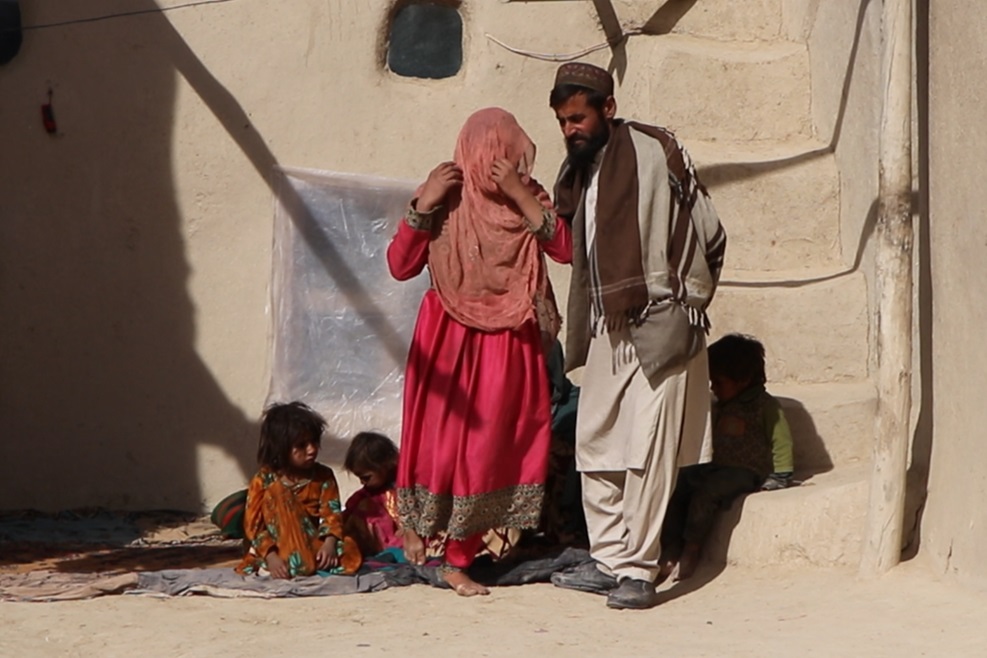 With regret, Abdul Qader said, “If I had known then that polio had no cure and could only be prevented through vaccination, I would have ensured my daughter was vaccinated” © Polio Free Afghanistan/ 2024/ Rahmatullah Marjankhel
Family’s Patience and Love
Despite Abdul Qader’s efforts to provide for his family, Nasima’s suffering weighs heavily on him.
“Nasima requires special care and attention, but we live in a rural area where we don’t even have access to basic services. On the one hand, my wife is often sick, and on the other, I am constantly struggling to provide for my family’s basic needs,” he said.
Yet despite these challenges, Abdul Qader and the rest of his family continue to support and care for Nasima. “All the family members take care of her and try to keep her happy,” he added
Nasima’s mother, who is burdened both by her illness and her daughter’s difficult life, says, “Every day when I see my young daughter in this helpless condition, my heart splits in half.”
Nasima, sitting quietly beside her parents, spoke in a sorrowful yet modest voice: “Both of my legs are paralyzed. This condition has made my life very difficult as I depend on others for help. If I had been vaccinated as a child, I might not have been in this situation now. When I see my healthy peers, it hurts me a lot,” she said.
She said that if someone could provide her with a wheelchair or a specially designed bicycle, it would help her move around more freely and easily.
Muhammad Ibrahim, a 28-year-old neighbor of Abdul Qader, said that the family’s condition deeply affects the community as well.
He explained that, on the one hand, the family lives in poverty due to financial difficulties, and on the other, their young daughter is disabled because of polio.
Ibrahim emphasized the importance of vaccination and urged families to safeguard their children’s health and future by ensuring they receive all necessary vaccinations during childhood to protect them from illness
Message
Nasima’s story illustrates how polio can negatively impact not only the individual but also families and, ultimately, the community.
Vaccination is the only way to prevent this disease. Administering two drops of the polio vaccine during every campaign can safeguard children from permanent disability and spare society from pain and suffering.