Change at the Heart of the Community: Abdul Jaleel and the Effort to Prevent Polio
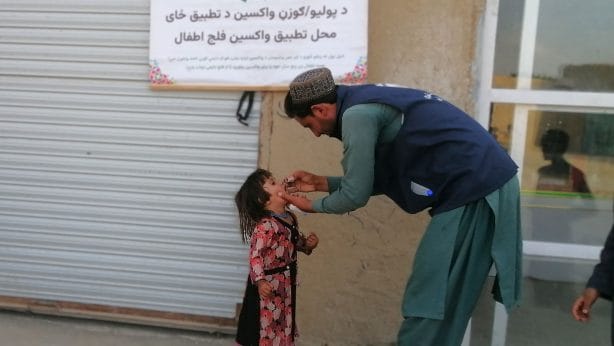
Paktika, Afghanistan — Abdul Jaleel, a resident of Kargho Zala village in Wazakhwa district, leaves his home every morning at sunrise with renewed determination and a deep sense of responsibility to begin his day’s work.
Because he knows that the two small drops of the polio vaccine he delivers to every child carry immense value in protecting the health and well-being of future generations.
The Fight Against Polio
Abdul Jaleel’s journey in the fight against polio began several years ago as a simple yet successful vaccinator. Today, however, he serves as the campaign coordinator for his district.
His work is not limited to just collecting numbers and submitting reports; it is part of a much deeper social struggle. He organizes meetings with village elders, religious scholars, and youth, builds trust within the community, and helps turn uncertainty about the vaccine into conviction. Every decision, every action, and every instruction he gives is aimed at keeping alive the awareness and hope within the community that polio must be completely eradicated.
Community Trust and Support
In this mountainous region, the effort of one person has transformed into the strength of an entire community’s trust. With every campaign, village elders, youth, and the mosque imam stand alongside Abdul Jaleel. They knock on doors, speak with families, and deliver the message of protecting children’s health.
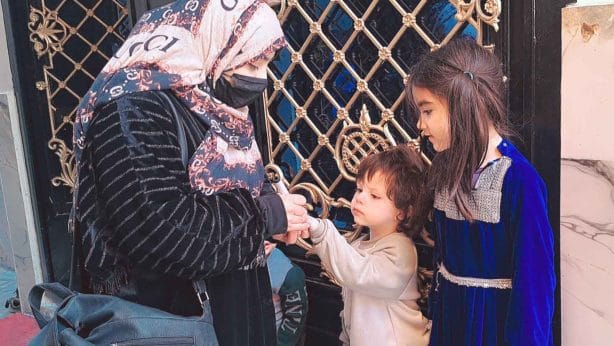
Years ago, doubts and a lack of awareness posed challenges to the vaccination campaign. But today, the situation has changed; now parents eagerly bring their children to the polio vaccination sites.
“The trust of the people is my greatest achievement. When the elders stand with me, I know that real change is happening,” says Abdul Jaleel.
Hujatullah Ahmadi, a teacher in the village, speaks about Abdul Jaleel’s work and dedication: “Abdul Jaleel has shown us that preventing polio requires a collective effort from the entire community. All of us must play our part so that not a single child is left at risk of paralysis.”
A Living Lesson
There is one memory from Abdul Jaleel’s life that he can never forget: seeing a five-year-old child who had been paralyzed by polio.
This child, who once ran freely through the village alleys and played with his friends, now depended on others to carry him. His mother’s tears, her voice heavy with pain, and the story of their helplessness have left a deep mark on Abdul Jaleel’s heart.
“The images from that day give me strength in every campaign,” Abdul Jaleel says. “I know that our efforts are the only way to prevent this kind of suffering.”
These experiences form the core pillars of Abdul Jaleel’s work. Whenever he feels the sorrow of families affected by polio, his determination multiplies. He always tells his team, “We are not just giving a vaccine — we are protecting a child’s future.”
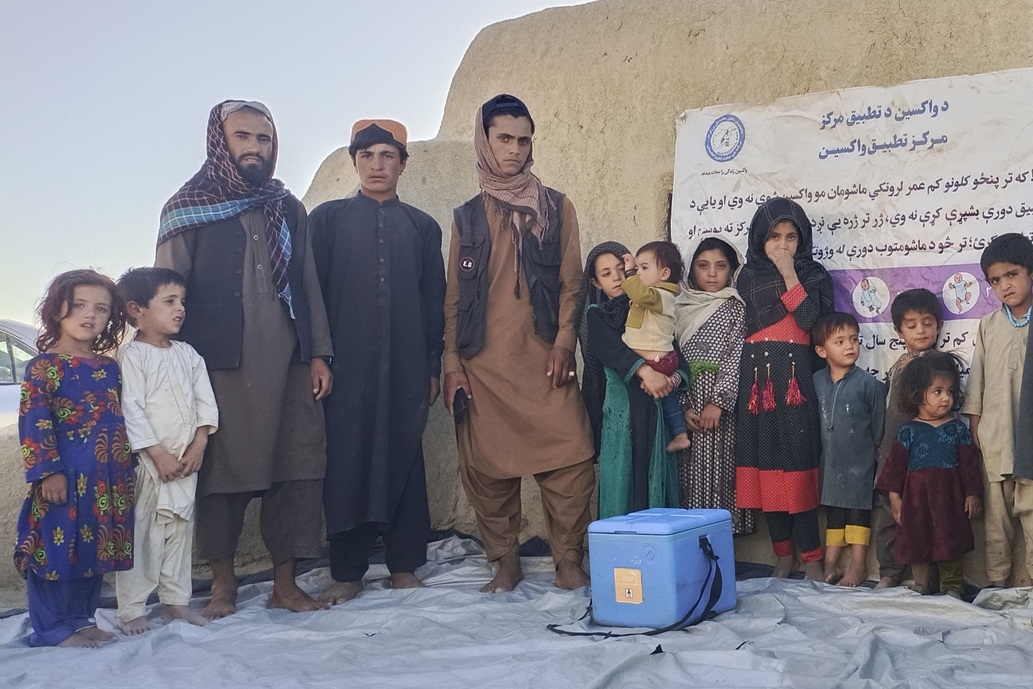
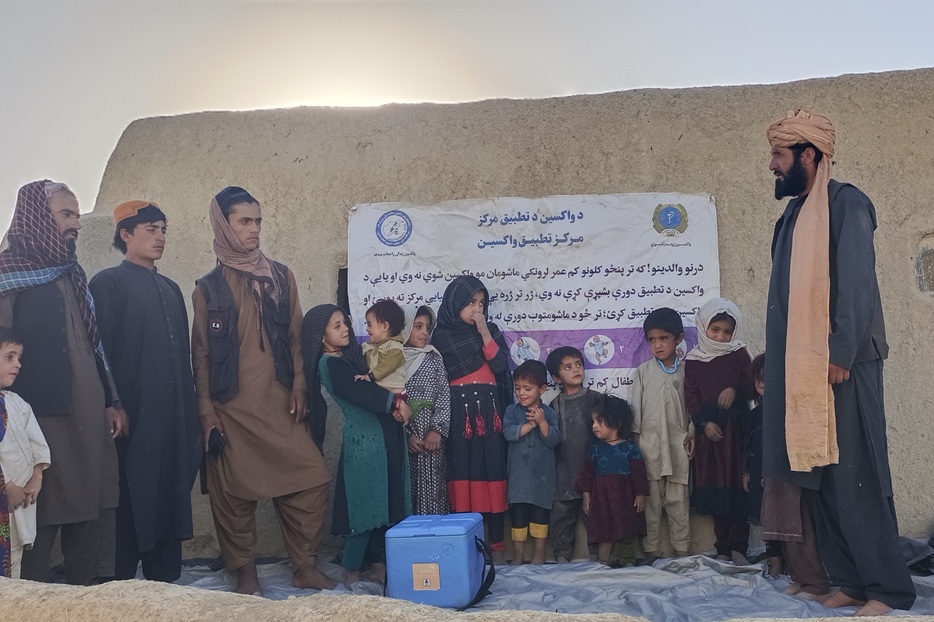 Children vaccinated at a polio vaccination site © Polio Free Afghanistan / 2025
Challenges
In Paktika, the journey to eliminate polio has not been easy; it has been a path filled with challenges. Some families in the village carried old doubts about vaccines for years, and in remote areas, traditional restrictions often limited people’s access to health services.
Abdul Jaleel understood that the only way to overcome these barriers was to reach people’s hearts. So, he sought the support of religious scholars, leaned on the influence of village elders, and explained the importance of vaccination to the community through the lens of reason and knowledge.
Change
A new atmosphere now fills Kargho Zala. The efforts of Abdul Jaleel and his colleagues have transformed a community that once held doubts about vaccination. Today, parents confidently say that the vaccine is the best way to protect their children’s future, and village elders consider supporting every campaign an essential part of their responsibility.
This change is not merely the success of a health program; it reflects unity, trust, and collective effort within the community. This coordinated effort is giving the children of these villages a future free from the fear of paralysis, one filled only with hope.
The Future and Hope
With hope in his voice, Abdul Jaleel says, “This is not the responsibility of one person; it is a shared duty of the entire community to build a safe tomorrow for our children.”
His story shows that when a person works with honesty and dedication, meaningful change is possible but strengthening that change requires the collective support of the entire community.
This harmony is visible today in Kargho Zala: Abdul Jaleel’s efforts, the support of families, the trust of elders, and the laughter of children.
All of this is a sign of the brighter tomorrow every community hopes for — a tomorrow where polio is nothing more than a distant memory.