Polio Prevention Methods: Measures Beyond Vaccination
Raqiba Hamidi
Badakhshan, Afghanistan – Polio is a dangerous infectious disease that can cause paralysis and even death in children.
While the polio vaccine is the most effective and essential method of prevention, additional measures also play a critical role in stopping the virus.
Healthcare and Hygiene
Health experts believe that maintaining good hygiene practices plays a crucial role in preventing polio.
Dr. Abdul Rahim Burhani, a pediatric specialist in Badakhshan, says, “The polio virus often spreads through contaminated food and water. In areas where sanitation and water conditions are poor, the virus can spread rapidly.”
Based on this, he emphasized the importance of hygiene, as well as access to clean water and food, alongside vaccination.
In many rural areas, inadequate sanitation facilities and poor waste management significantly raise the risk of virus spread.
To address this, Dr. Burhani suggests providing public toilets and implementing hygiene education programs in such regions.
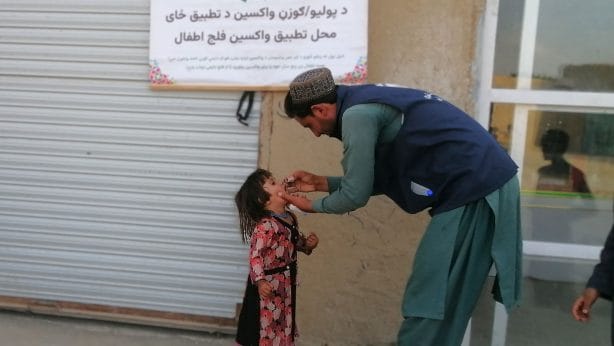
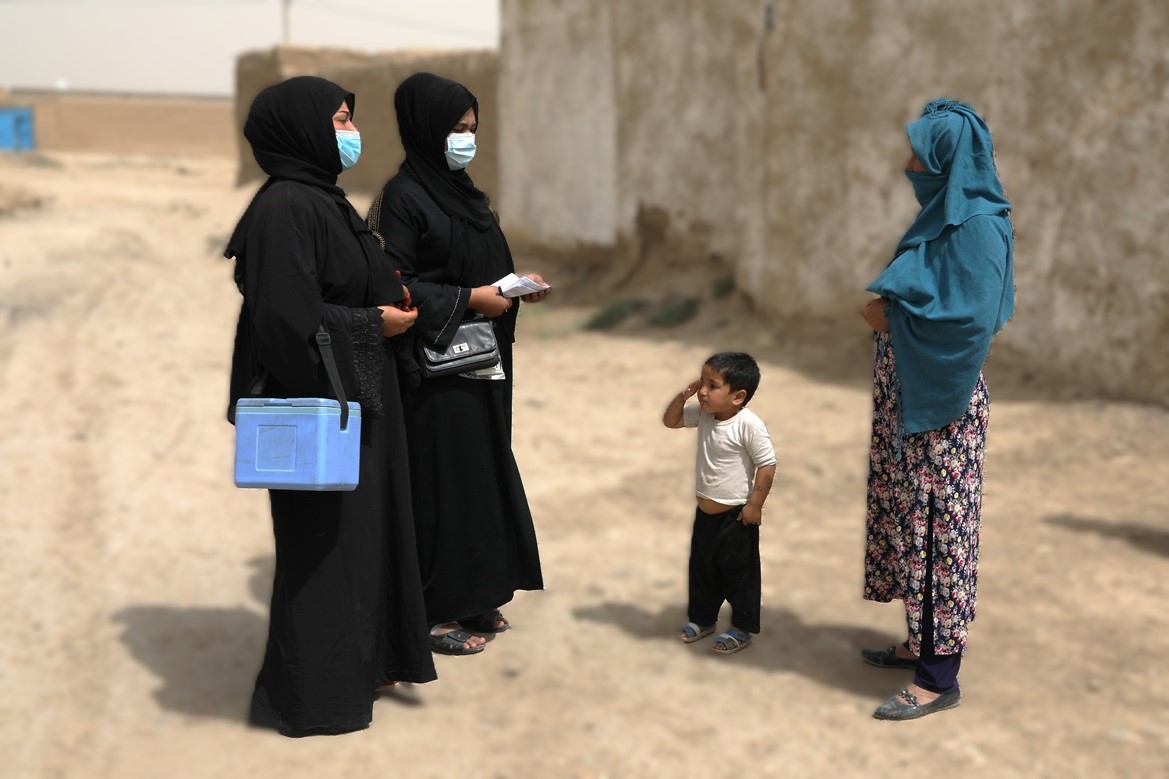
Farida Ahmadi, a vaccinator in the polio vaccination campaign, adds that In addition to vaccinating children, it is equally important to ensure they have access to clean water, food, and proper hygiene.
“As workers in the polio vaccination campaign, we always advise parents to maintain good hygiene when vaccinating their children. Both children and adults should wash their hands with soap and water after using the bathroom and before eating. They should also pay attention to the cleanliness of food and water,” Ahmadi adds. In her view, neglecting these steps can easily allow the polio virus to spread.
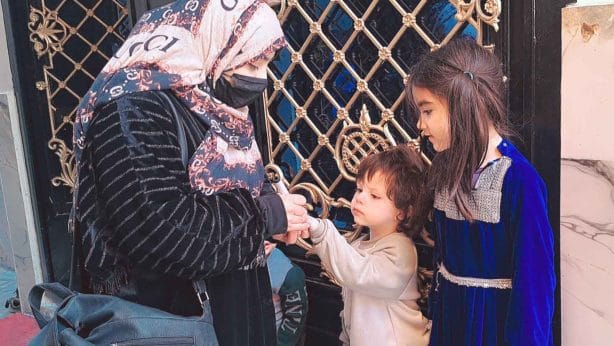
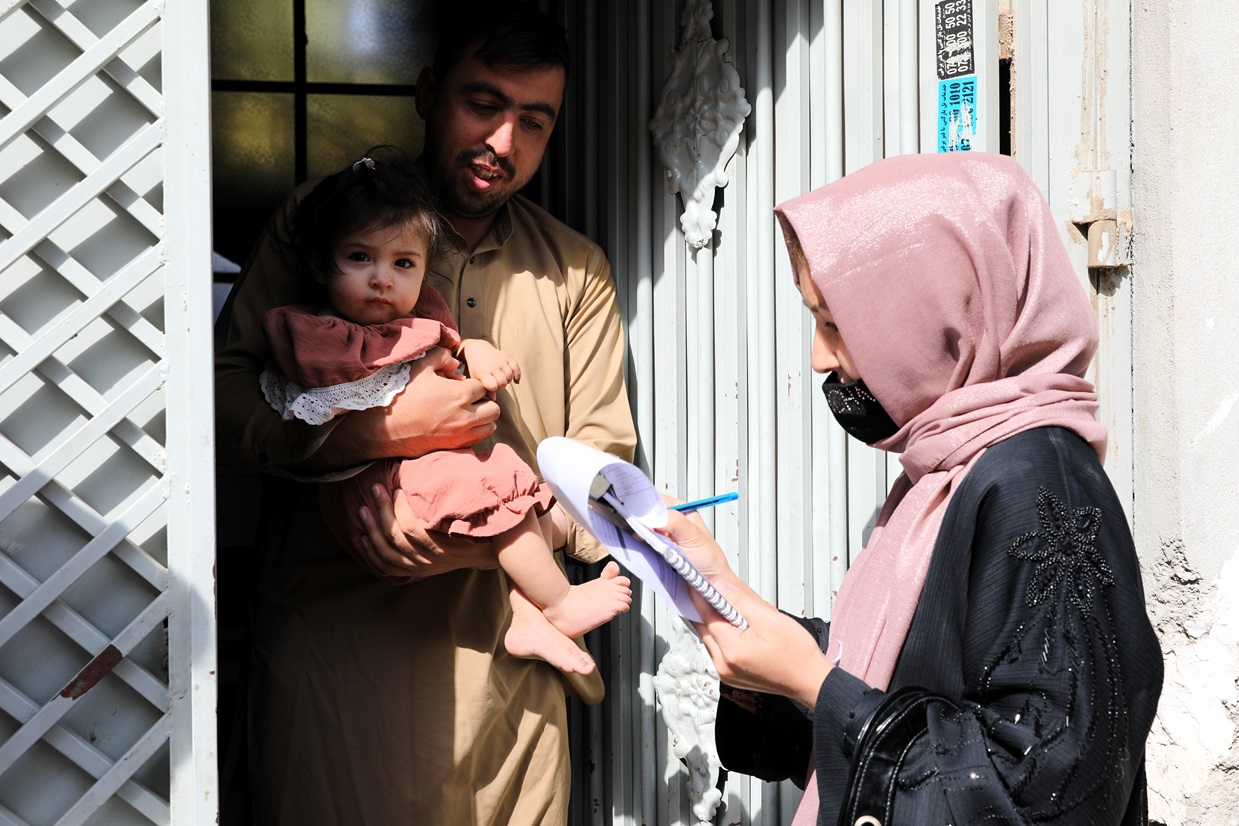 Health experts believe that maintaining good hygiene practices plays a crucial role in preventing polio © Polio Free Afghanistan/ 2024/ Raqiba Hamidi
Shakila, a mother living in a rural area near Faizabad, manages household chores and also cares for the health of her three children.
She explains that in an environment with limited access to clean water and health services, maintaining hygiene and access to clean drinking water is both challenging and essential.
“When the vaccinators came to our village, my only concern was to vaccinate my children and safeguard them from polio. But they informed me that, in addition to vaccination, keeping the environment and ourselves clean, washing hands, using clean water, and maintaining food hygiene are crucial steps to prevent the virus from spreading,” she added.
Shakila said that since then, she has made sure to follow these guidelines and encourage others to do the same.
“As a mother, my duty is not just to vaccinate my children but also to ensure they live in a clean environment. Hygiene is fundamental to protecting our children’s health, and I strive to implement these principles in my home,” Shakila concludes.
Shakila’s experience illustrates how mothers can take small but significant steps in caring for their children’s health and how hygiene, alongside vaccination, can protect children from dangerous diseases like polio.
Conclusion: The Need for Collective Efforts and a Social Framework
Preventing polio requires more than just vaccination. It calls for a collective effort and commitment from doctors, healthcare workers, mothers, and other community members.
Practicing good hygiene, ensuring access to clean water, managing waste properly, and raising public awareness are key factors that can prevent the spread of the polio virus.
Vaccination is just one part of a broader strategy, and by collectively implementing these measures, we can effectively eradicate polio from our country once and for all.